
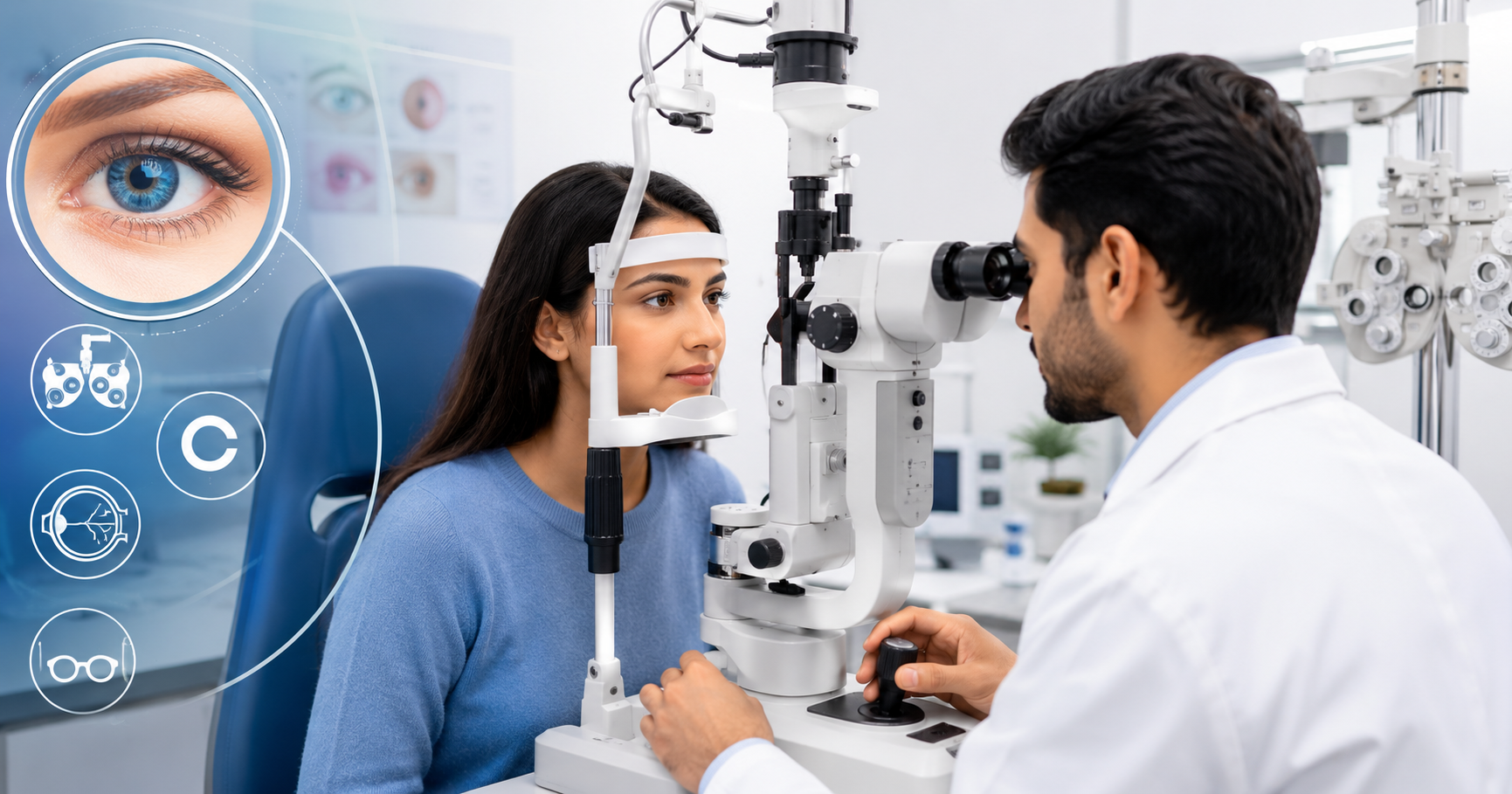
Many people think an eye exam is simply reading letters from an eye chart and getting a prescription for glasses. In reality, a comprehensive eye exam involves several tests that assess both your vision and the overall health of your eyes.
During the appointment, an optometrist evaluates how clearly you see, how your eyes work together, and whether there are signs of eye conditions that may affect your vision. Some tests are quick and simple, while others involve specialized instruments to examine the structures inside your eyes.
A comprehensive eye exam can be useful even if you have clear vision and do not currently wear glasses. Some eye conditions can develop without noticeable symptoms, so routine examinations can help identify changes early.
If you are wondering what happens during an eye exam in Canada, here is what you can generally expect.
What Is a Comprehensive Eye Exam?
A comprehensive eye exam is a complete assessment of your vision and eye health performed by an optometrist.
Unlike a basic vision screening, which may only check how clearly you can see, a comprehensive eye exam looks at different aspects of your eyes. The optometrist may assess your prescription, eye movements, focusing ability, eye pressure, and the health of structures such as the cornea, lens, retina, and optic nerve.
The exact tests performed can vary depending on your age, symptoms, medical history, family history, and other risk factors.
1. Your Optometrist Reviews Your Health and Eye History
The appointment usually begins with questions about your current vision and general health.
Your optometrist may ask about:
- Any changes in your vision.
- Previous eye problems or treatments.
- Your current glasses or contact lens prescription.
- How often you wear glasses or contact lenses.
- Eye injuries or surgeries.
- Medications you currently take.
- Medical conditions that may affect your eyes.
- A family history of eye diseases.
You may also be asked about symptoms such as headaches, eye strain, blurry vision, difficulty seeing at night, or trouble focusing.
Providing accurate information helps your optometrist determine which tests may be appropriate for you.
2. Your Vision Is Checked
One of the most familiar parts of an eye exam is the visual acuity test.
You will usually be asked to read letters, numbers, or symbols from a chart positioned at a specific distance. Each eye may be tested separately, followed by a test using both eyes.
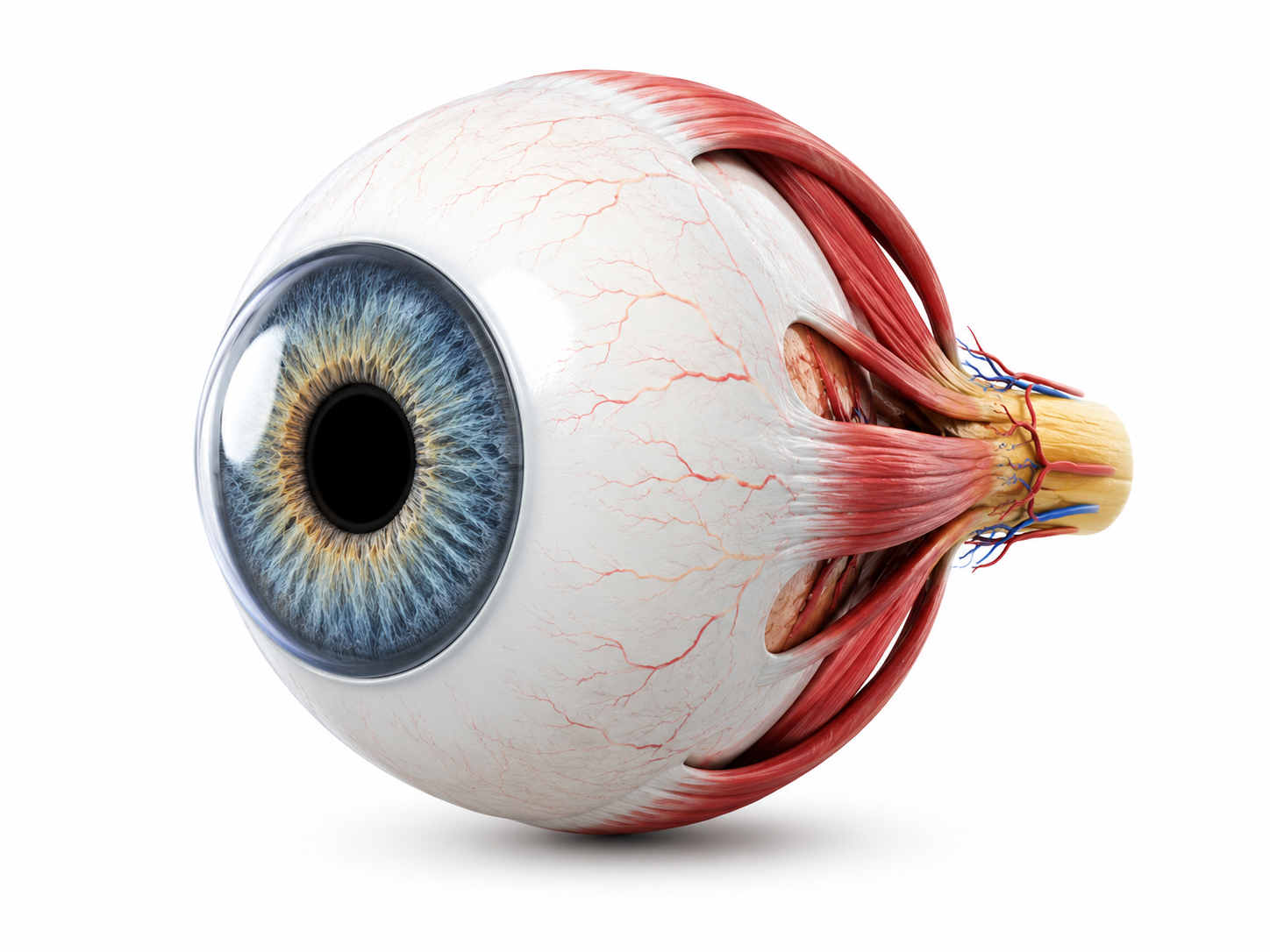
This helps determine how clearly you can see at a distance.
Near vision may also be assessed, particularly if you have difficulty reading, using a phone, working on a computer, or seeing objects up close.
The results help your optometrist determine whether you have a refractive error that may require glasses or contact lenses.
3. Your Prescription Is Checked
If you wear glasses or contact lenses, your optometrist will determine whether your current prescription is still appropriate.
This process is called refraction.
You may be shown different lens options and asked questions such as which option appears clearer. The optometrist uses your responses along with other measurements to determine the appropriate prescription.
The examination can identify common refractive errors, including:
Nearsightedness
Nearsightedness, or myopia, makes distant objects appear blurry.
Farsightedness
Farsightedness, or hyperopia, can make close-up tasks difficult and may sometimes affect distance vision.
Astigmatism
Astigmatism occurs when the shape of the cornea or another part of the eye causes light to focus unevenly, potentially resulting in blurred or distorted vision.
Presbyopia
Presbyopia is an age-related change that makes it harder to focus on nearby objects. It commonly becomes noticeable during the 40s and may require reading glasses or other vision correction.
4. Your Eye Movements and Coordination Are Checked
Your eyes need to work together properly to provide comfortable, coordinated vision.
During an eye exam, your optometrist may assess how your eyes move and whether they remain properly aligned.
This can be particularly important for children, people who experience double vision, and anyone who has difficulty focusing while reading or doing close-up work.
Problems with eye coordination may contribute to symptoms such as:
- Double vision.
- Headaches.
- Eye strain.
- Difficulty reading.
- Trouble focusing.
5. Your Pupils May Be Examined
Your optometrist may check how your pupils respond to light.
The pupils normally become smaller in bright light and larger in dim conditions. Their responses can provide useful information about how the eyes and certain parts of the visual system are functioning.
This is a quick part of the examination and does not usually cause discomfort.
Also Read: How Much Does an Eye Exam Cost in Mississauga?
6. The Front of Your Eyes Is Examined
Your optometrist may use a specialized instrument called a slit lamp to examine the front structures of your eyes.
This allows the optometrist to closely examine areas such as:
- The cornea.
- Conjunctiva.
- Iris.
- Lens.
- Other structures at the front of the eye.
This examination can help identify changes or abnormalities that may require monitoring or further assessment.
7. Eye Pressure May Be Measured
Your eye pressure may also be checked during a comprehensive eye examination.
This test is commonly associated with screening for glaucoma, a group of eye conditions that can damage the optic nerve and lead to vision loss.
There are different methods for measuring eye pressure. Depending on the equipment used, the test may involve a gentle puff of air or another type of measurement.
High eye pressure can be an important risk factor for glaucoma, although eye pressure is only one part of assessing glaucoma risk.
Your optometrist will consider your eye health, medical history, age, family history, and other findings when evaluating your risk.
8. The Retina and Optic Nerve Are Examined
One of the most important parts of a comprehensive eye exam is examining the back of the eye.
The optometrist may evaluate the retina, optic nerve, blood vessels, and other structures inside the eye.
Depending on your circumstances, this may involve specialized imaging or examination techniques.
These assessments can help identify signs of various eye conditions, including:
- Glaucoma.
- Cataracts.
- Retinal conditions.
- Diabetic eye disease.
- Macular changes.
- Other abnormalities affecting the eye.
Some eye diseases may not cause obvious vision changes in their early stages. This is one reason regular comprehensive eye examinations are important.
9. Additional Tests May Be Recommended
Not every patient requires exactly the same tests.
Your optometrist may recommend additional testing based on your age, symptoms, medical history, family history, previous examination results, or risk factors.
For example, someone with diabetes may need closer monitoring of the retina, while someone with a family history of glaucoma may require additional glaucoma-related assessments.
Children may also require specific tests to evaluate visual development, focusing ability, eye alignment, and how well their eyes work together.
Your optometrist will explain any additional testing that is recommended and why it may be useful.
Also Read: How Often Should You Get an Eye Exam in Mississauga?
How Long Does a Comprehensive Eye Exam Take?
The length of an eye examination can vary depending on the patient and the tests required.
A routine appointment may take approximately 30 to 60 minutes, although some examinations can take longer.
Children, first-time patients, older adults, and people with specific eye concerns may require additional time.
It is a good idea not to rush your appointment. Providing your optometrist with complete information about your vision and health can help ensure that the examination is thorough.
Does a Comprehensive Eye Exam Hurt?
Most of the tests performed during a routine eye examination are quick and non-invasive.
You may experience temporary discomfort from bright lights or some sensitivity if your pupils are dilated. Some tests may involve eye drops.
If dilation is required, your near vision may be blurry temporarily and your eyes may be more sensitive to light afterward. Your optometrist can explain what to expect before the drops are administered.
If you have concerns about any test, let your eye care professional know. They can explain the procedure and answer your questions.
What Should You Bring to an Eye Exam?
To make your appointment easier, consider bringing:
- Your current glasses.
- Your contact lenses, if applicable.
- Your current contact lens information or prescription.
- A list of medications you take.
- Information about relevant medical conditions.
- Details about your family history of eye disease.
- Any previous eye care information that may be useful.
If you have noticed a particular vision problem, make a note of when it started and whether it has become better or worse.
What Happens After the Eye Exam?
Once the examination is complete, your optometrist will discuss the results with you.
If your prescription has changed, they can explain your vision correction options. If your eyes are healthy, your optometrist can recommend when you should return for your next routine examination.
If an abnormality or eye condition is identified, your optometrist may recommend monitoring, treatment, additional testing, or referral to another eye care professional when appropriate.
The recommended follow-up schedule depends on your individual eye health and risk factors.
How Often Should You Have a Comprehensive Eye Exam?
There is no single schedule that applies to everyone.
Children generally require more frequent examinations because their vision is developing. Adults with healthy eyes may need examinations at intervals based on their age and individual risk factors. Older adults and people with certain medical conditions or a family history of eye disease may need more frequent monitoring.
Your optometrist can recommend an appropriate schedule based on your individual needs.
You should also arrange an eye examination sooner if you experience a noticeable change in your vision rather than waiting for your next routine appointment.
Why Regular Eye Exams Matter Even If You See Clearly
Clear vision does not necessarily mean your eyes are completely healthy.
Some eye conditions can develop gradually without causing noticeable symptoms at first. A comprehensive examination gives an optometrist the opportunity to evaluate both your vision and the health of your eyes.
Regular examinations can also help establish a record of your eye health. Comparing results over time can make it easier to identify changes that may otherwise go unnoticed.
Book a Comprehensive Eye Exam at Smart Opticals
A comprehensive eye exam is about more than determining whether you need new glasses. It provides an opportunity to assess your vision, monitor changes, and check the health of your eyes.
At Smart Opticals, we provide eye care for patients with different vision and eye health needs. Whether you need a routine examination, have noticed changes in your vision, or want to update your prescription, an eye exam can help you understand your current eye health and vision needs.
If you are due for an eye examination, contact Smart Opticals to schedule an appointment with an optometrist.
Frequently Asked Questions
What is included in a comprehensive eye exam?
A comprehensive eye exam may include visual acuity testing, prescription testing, assessment of eye movements and coordination, pupil examination, eye pressure measurement, and examination of the front and back of the eyes. Additional tests may be recommended based on your individual needs.
How long does a comprehensive eye exam take?
A routine comprehensive eye exam may take around 30 to 60 minutes, although the appointment can take longer if additional testing is needed.
Is a comprehensive eye exam painful?
Most eye exam tests are quick and non-invasive. Some people may experience temporary discomfort from bright lights or eye drops used during certain tests.
Can an eye exam detect eye diseases?
Yes. A comprehensive eye examination can help an optometrist identify signs of conditions such as glaucoma, cataracts, retinal disorders, and diabetic eye disease.
Do I need an eye exam if I have 20/20 vision?
Yes. Having clear vision does not guarantee that your eyes are healthy. A comprehensive eye exam assesses more than visual sharpness and can help identify certain eye conditions before noticeable symptoms develop.
Should I bring my current glasses to an eye exam?
Yes. Bringing your current glasses and contact lens information can help your optometrist understand your existing prescription and compare it with your current vision needs.