
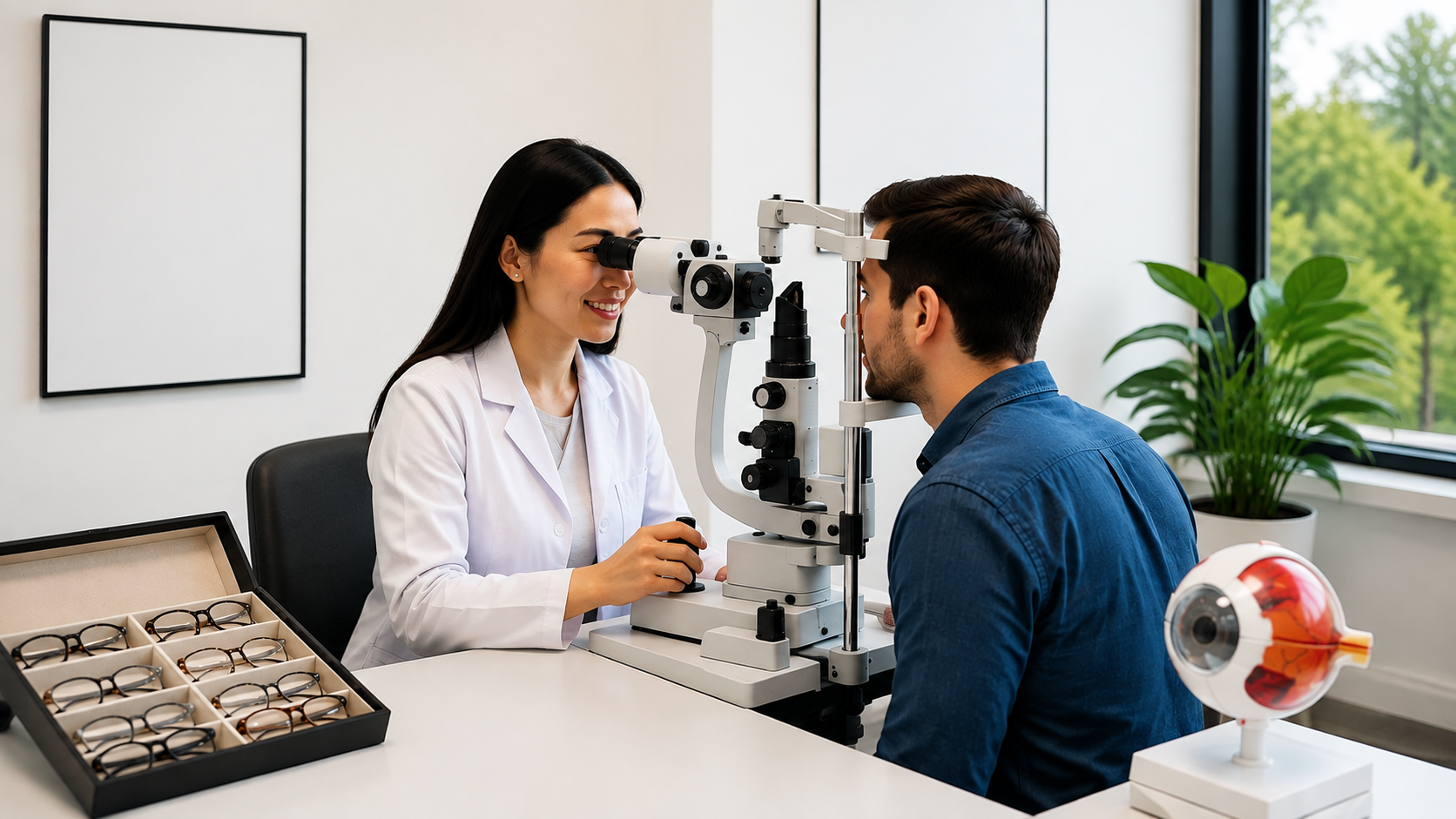
Many people only think about booking an eye exam when they notice blurry vision or when their glasses no longer seem to work as well as they used to. However, regular eye exams are an important part of maintaining your overall health, even if your eyesight seems perfectly normal.
A comprehensive eye exam does much more than check whether you need new glasses or contact lenses. It allows an optometrist to evaluate how well your eyes are functioning and look for early signs of eye diseases and other health conditions that may not cause symptoms in their early stages.
So, how often should you get an eye exam in Mississauga? The answer depends on your age, your eye health, and whether you have certain medical conditions or risk factors.
Why Regular Eye Exams Are Important
Your eyes can change gradually over time, and many eye diseases develop without noticeable symptoms until they have already caused damage. Conditions such as glaucoma, diabetic eye disease, and age-related macular degeneration may not affect your vision in the early stages.
A comprehensive eye exam can help identify:
- Changes in your glasses or contact lens prescription.
- Early signs of glaucoma.
- Cataracts.
- Retinal problems.
- Eye damage related to diabetes.
- Signs of high blood pressure or other health conditions that may be visible in the eyes.
Because these changes can happen without pain or obvious vision problems, regular eye exams allow problems to be detected and managed earlier.
How Often Should Children Have an Eye Exam?
Children’s eyes develop rapidly during their early years, making regular eye exams especially important.
The Canadian Association of Optometrists generally recommends the following schedule:
Infants
Children should have their first eye examination at around 6 to 9 months of age.
This early exam allows the optometrist to check for proper eye development, eye alignment, and other conditions that may need early treatment.
Preschool Children
Another eye exam is recommended at approximately 3 years old.
At this age, an optometrist can assess visual development and look for issues such as lazy eye (amblyopia), crossed eyes (strabismus), or significant refractive errors.
School-Age Children
Once children start school, they should generally have an eye exam every year.
Children often do not realize they have a vision problem because they have no previous experience to compare their vision with. Difficulty seeing the classroom board, frequent headaches, rubbing the eyes, or losing their place while reading can all be signs that an eye exam is needed.
Annual eye exams help ensure that vision problems do not interfere with learning and development.
How Often Should Adults Have an Eye Exam?
The recommended frequency changes as adults get older.
Adults Ages 20 to 39
Healthy adults with no eye problems or medical conditions that affect the eyes should generally have an eye exam every 2 to 3 years.
However, you may need an exam sooner if you notice symptoms such as:
- Blurry vision.
- Frequent headaches.
- Difficulty focusing.
- Eye strain.
- Flashes of light.
- New floaters.
- Double vision.
Even if you do not wear glasses, regular exams are still recommended because eye diseases can develop without affecting your vision initially.
Adults Ages 40 to 64
Adults between the ages of 40 and 64 should generally have an eye exam every 2 years.
This is because several age-related eye conditions become more common after age 40, including:
- Presbyopia, which affects the ability to focus on nearby objects.
- Glaucoma.
- Cataracts.
- Changes in the retina.
Many people notice that reading small print becomes more difficult during their 40s. An eye exam can determine whether reading glasses or another type of vision correction is needed while also checking for other changes in eye health.
Adults Ages 65 and Older
Adults aged 65 and over are generally advised to have an eye exam every year.
As we age, the risk of several eye conditions increases significantly. Annual exams can help monitor for:
- Cataracts.
- Glaucoma.
- Age-related macular degeneration.
- Retinal disorders.
- Changes in vision that could increase the risk of falls.
Regular monitoring allows your optometrist to identify changes before they become more serious.
Also Read: Are Vogue Eyewear Frames Durable for Everyday Use?
Who Needs Eye Exams More Often?
Some people should have eye exams more frequently than the general recommendations.
Your optometrist may recommend yearly or even more frequent visits if you have certain health conditions or risk factors.
People With Diabetes
Diabetes can affect the blood vessels in the retina and lead to diabetic eye disease.
Even if your vision seems normal, regular eye examinations are important because diabetic eye disease often develops without symptoms in its early stages.
The frequency of your eye exams will depend on your diabetes and the findings of previous examinations, but many people with diabetes require annual dilated eye exams.
People With Glaucoma or a Family History of Glaucoma
Glaucoma is a condition that damages the optic nerve and can lead to permanent vision loss if left untreated.
If you have glaucoma or have a close family member with the condition, your optometrist may recommend more frequent monitoring.
People Who Are Very Nearsighted
People with significant nearsightedness, also known as myopia, have a higher risk of certain retinal problems.
Regular eye exams allow the optometrist to monitor the health of the retina and detect any changes that may require treatment.
People Taking Certain Medications
Some medications can affect the eyes or vision. Depending on the medication, your optometrist may recommend additional monitoring.
Always let your eye doctor know about any prescription medications, over-the-counter medications, or supplements you take.
What Happens During a Comprehensive Eye Exam?
A comprehensive eye exam involves much more than reading letters on a chart.
Your optometrist may perform several tests to evaluate different aspects of your vision and eye health.
These may include:
Vision Testing: This checks how clearly you can see at different distances.
Refraction: This determines whether you need glasses or whether your prescription has changed.
Eye Pressure Measurement: This helps assess the risk of glaucoma.
Eye Movement Testing: Your optometrist checks how well your eyes move and work together.
Examination of the Front of the Eye
The doctor looks at structures such as the cornea, iris, and lens.
Examination of the Retina and Optic Nerve
The back of the eye is examined to look for signs of disease or changes that may require further investigation.
Depending on your age, symptoms, and health history, additional tests may also be recommended.
Signs You Should Book an Eye Exam Sooner
You should not wait until your next routine appointment if you experience new or concerning vision changes.
Book an eye exam if you notice:
- Blurry or distorted vision.
- Difficulty seeing at night.
- Frequent headaches.
- Eye pain.
- Redness that does not improve.
- Sudden increase in floaters.
- Flashes of light.
- Double vision.
- Difficulty focusing while reading or using a computer.
Sudden loss of vision, a curtain-like shadow over your vision, or sudden flashes and many new floaters can indicate an urgent eye problem and should be assessed promptly.
Do You Need an Eye Exam If Your Vision Seems Fine?
Yes. One of the biggest misconceptions is that eye exams are only necessary when you notice vision problems.
Many eye diseases develop silently. By the time symptoms become noticeable, permanent damage may already have occurred.
Regular eye exams allow your optometrist to establish a baseline for your eye health and monitor changes over time. This is especially important as you get older or if you have a family history of eye disease.
Eye Exam Recommendations at a Glance
|
Age Group |
General Recommendation |
|
6 to 9 months |
First eye exam |
|
Around 3 years |
Comprehensive eye exam |
|
School-age children |
Every year |
|
Ages 20 to 39 |
Every 2 to 3 years |
|
Ages 40 to 64 |
Every 2 years |
|
Age 65 and older |
Every year |
These are general recommendations for people with healthy eyes. Your optometrist may suggest a different schedule based on your individual needs.
Book Your Eye Exam at Smart Opticals
Regular eye exams are one of the best ways to protect your vision and maintain healthy eyes throughout life. Whether it has been several years since your last appointment, you have noticed changes in your vision, or you simply want to stay on top of your eye health, scheduling a comprehensive eye exam is an important step.
At Smart Opticals, our eye care team provides comprehensive eye examinations for children, adults, and seniors. We take the time to assess your vision, discuss your concerns, and evaluate the overall health of your eyes so you can make informed decisions about your eye care.
If you are due for your next eye exam or have noticed any changes in your vision, contact us to schedule an appointment with our eye care team.
Frequently Asked Questions
How often should adults get an eye exam in Canada?
Healthy adults between the ages of 20 and 39 should generally have an eye exam every two to three years. Adults aged 40 to 64 are usually advised to have an exam every two years, while adults aged 65 and older should generally have one every year.
Should children have eye exams every year?
Yes. After their first exams during infancy and preschool years, school-age children should generally have an eye exam every year to monitor vision and eye development.
Can an eye exam detect diseases?
A comprehensive eye exam can help identify signs of eye conditions such as glaucoma, cataracts, and retinal diseases. It may also reveal changes associated with certain health conditions, including diabetes and high blood pressure.
Do I need an eye exam if I do not wear glasses?
Yes. Eye exams are important even if you do not wear glasses because they evaluate the overall health of your eyes, not just whether you need vision correction.
What symptoms mean I should see an eye doctor sooner?
You should book an eye exam if you notice new blurry vision, flashes of light, a sudden increase in floaters, double vision, persistent eye pain, or other unexpected changes in your eyesight.